2026 Furniture Design Trends for B2B Buyers and Importers
The global furniture market is entering 2026 with clear signals from trade shows, retail buyers, and hospitality specifiers. For importers and wholesale buyers sourcing from China, understanding these trends is not about chasing fashion—it is about aligning product lines with demand that converts. Manufacturers who anticipate buyer preferences early gain better MOQ flexibility, faster sell-through, and stronger repeat orders.
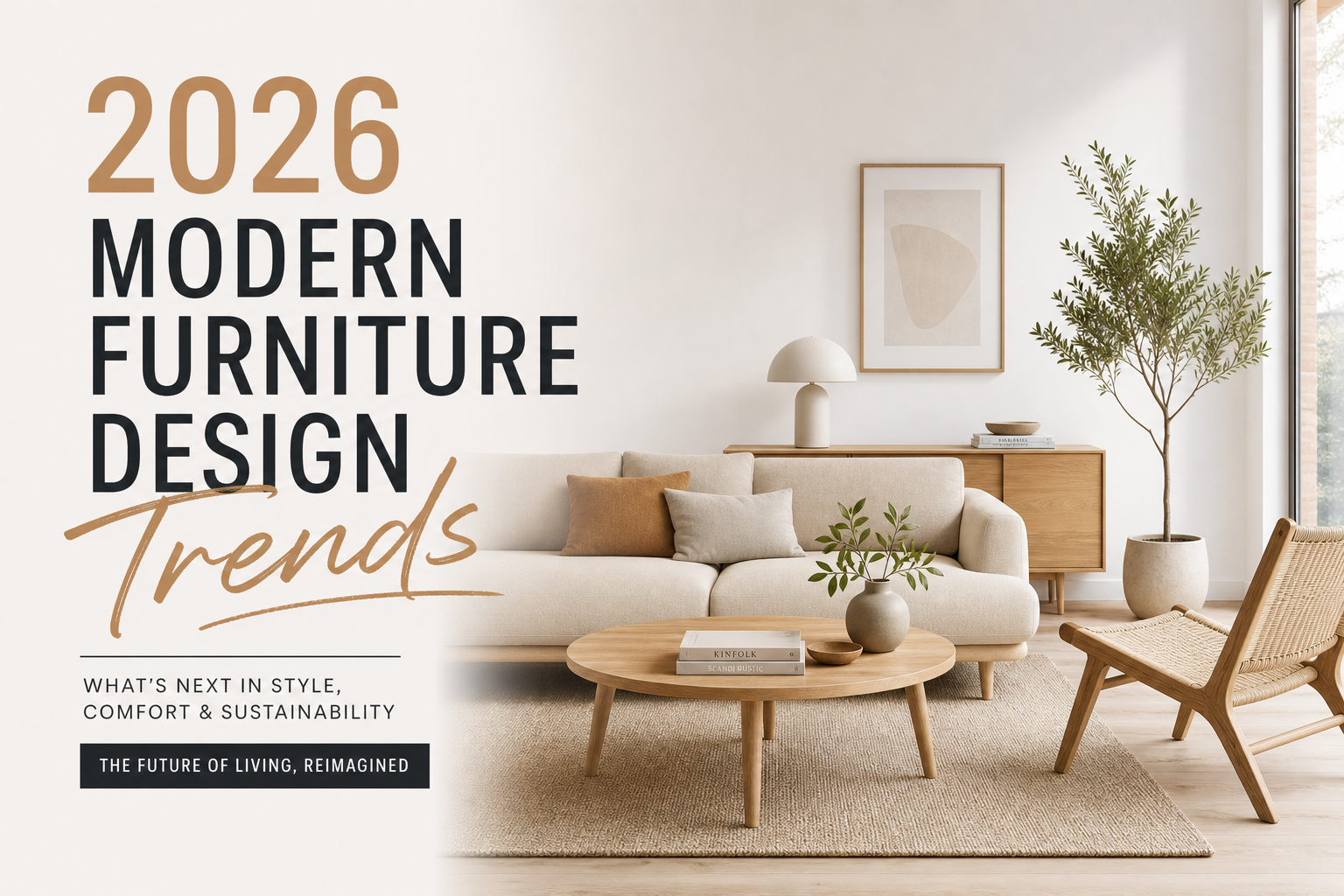
Warm Minimalism Replaces Cold Modernism
After years of stark white interiors and sharp geometric forms, buyers are gravitating toward warm minimalism. Think soft curves, natural wood tones, boucle and linen upholstery, and muted earth palettes. This shift suits living room, bedroom, and hospitality categories where comfort signals quality. When briefing your OEM partner, specify wood species, fabric grades, and finish sheen levels rather than vague style references.
Why Importers Should Care
Warm minimalism works across price tiers. A mid-range sofa line with rounded arms and oak legs can compete in both e-commerce and showroom channels. The design language also photographs well for digital catalogs, reducing your marketing production costs.
Modular and Multi-Functional Furniture
Urban living, remote work, and smaller commercial footprints continue to drive demand for furniture that adapts. Modular sofas, stackable chairs, extendable dining tables, and desk systems with cable management are among the fastest-moving SKUs in wholesale catalogs. Chinese factories have invested heavily in jig-based modular production, which can lower per-unit costs when you order consistent component sets.
Sustainable Materials as a Baseline
Sustainability has moved from premium niche to baseline expectation. FSC-certified wood, water-based finishes, recycled steel frames, and low-VOC adhesives appear in buyer RFQs across Europe, North America, and Australia. Even if your target market does not mandate certification today, building eco-credentials into your line protects against future compliance costs.
Material Trend Comparison for 2026 Sourcing
| Material | Demand Level | Lead Time Impact | Best Categories |
|---|---|---|---|
| FSC Plywood & Solid Wood | Very High | +1–2 weeks for cert docs | Case goods, dining, office |
| Recycled Metal Frames | High | Minimal if supplier stocked | Chairs, tables, shelving |
| Performance Fabrics | High | Depends on MOQ color | Commercial seating, hospitality |
| Bamboo & Rattan Accents | Moderate–High | Seasonal availability | Accent furniture, outdoor |
Smart Integration Without Over-Engineering
Buyers want practical tech integration: USB ports in desks, wireless charging pads in nightstands, and LED lighting in display cabinets. Full IoT furniture remains niche for most wholesale channels. Focus on hardwired or simple plug-in solutions that do not complicate customs classification or after-sales support.
Spec Tips for OEM Orders
Include electrical certifications required for your destination market (CE, UL, SAA). Request factory test reports for each powered component. Avoid proprietary apps unless your brand already supports them—repairability matters for B2B accounts.
Color and Finish Direction
Forecast palettes for 2026 lean toward sage green, terracotta, warm gray, and honey oak. Black metal accents remain popular in industrial and office lines. When planning container loads, balance trend colors with neutral core SKUs that sustain year-round sales. A 70/30 neutral-to-accent ratio is a practical wholesale strategy.
How to Brief Your Chinese Manufacturer
Successful trend adoption depends on clear documentation. Provide reference images, dimension drawings, material callouts, and target FOB price bands. Ask for pre-production samples of new finishes before committing to bulk fabric or stain orders. Schedule factory visits or third-party inspections during pilot runs to catch construction issues early.
By aligning your 2026 assortment with warm minimalism, modularity, and verified sustainable materials, you position your brand ahead of competitors still shipping last season's aesthetic. Trends evolve, but buyer demand for quality, adaptability, and responsible sourcing is here to stay.
Building a Trend-Responsive Assortment Plan
Smart importers treat trends as inputs to a rolling 12-month assortment calendar—not one-off bets. Review sell-through data quarterly, retire underperforming finishes, and allocate container space to SKUs that match two or more trend signals. Share forecasts with your OEM partner so they can reserve capacity and certified materials before peak season congestion begins.