Flat-Pack Furniture Benefits for Global Shipping
Flat-pack furniture—also called ready-to-assemble (RTA) or knock-down (KD) furniture—has transformed global furniture logistics. By shipping components flat rather than fully assembled, manufacturers dramatically increase container utilization and reduce freight cost per unit. For importers sourcing from China, flat-pack design is often the difference between competitive landed pricing and losing margin to shipping expenses.
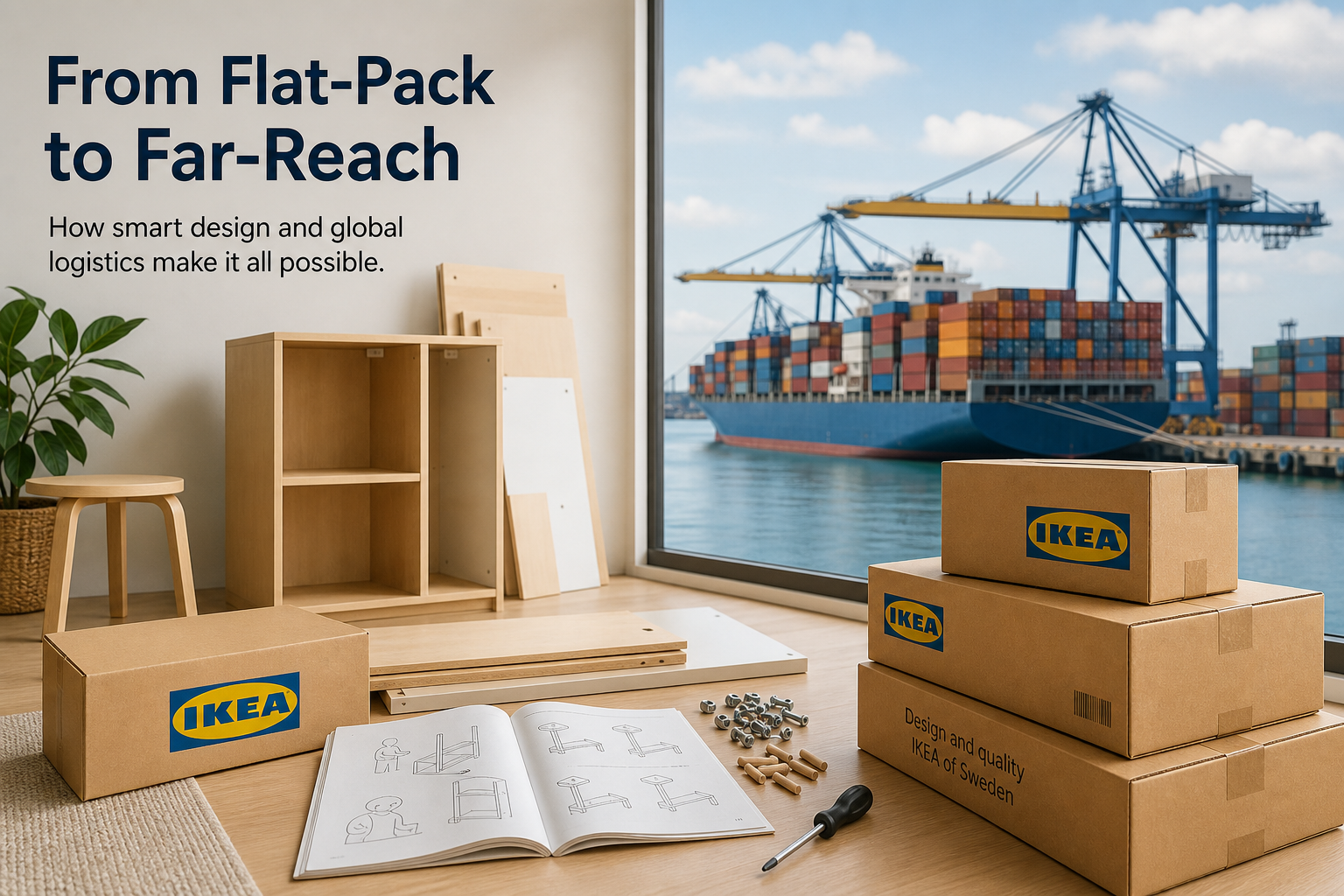
How Flat-Pack Improves Container Economics
A 40-foot high-cube container holds roughly 67–76 CBM depending on weight limits. Fully assembled wardrobes or large sectionals may fill volume before reaching weight capacity—wasting paid space. Flat-pack cartons stack efficiently, often doubling or tripling SKU count per container compared to assembled shipping.
Real Cost Impact
Freight from China to US West Coast or Northern Europe can represent 15–30% of landed cost for bulky assembled furniture. Flat-pack reduces CBM per unit, directly lowering that percentage. Savings compound across high-volume SKUs like bookcases, bed frames, office desks, and modular storage systems.
Flat-Pack vs Assembled Shipping Comparison
| Factor | Flat-Pack (KD/RTA) | Fully Assembled | Importer Impact |
|---|---|---|---|
| Container Utilization | High (stackable cartons) | Low (void space common) | More units per FCL |
| Freight Cost per Unit | Lower | Higher | Better retail margin |
| Damage in Transit | Lower if packed well | Higher (corners, legs) | Fewer claims |
| Customer Assembly | Required | None | Clear instructions needed |
Design Considerations for Flat-Pack OEM
Effective flat-pack design starts at engineering—not packaging alone. Cam-lock connectors, metal dowels, numbered panels, and pre-drilled holes reduce assembly errors. Hardware should be bagged and labeled per step. Include printed instructions plus QR-linked video for e-commerce buyers who assemble at home.
Packaging Standards That Protect Margins
Five-layer corrugated cartons with corner protectors and foam inserts prevent transit damage. Drop-test cartons to ISTA standards when selling through major retailers. Poor packaging erases freight savings through returns and replacements. Specify carton dimensions in your OEM brief to optimize pallet and container loading plans.
Labeling and Compliance
Carton marks must include SKU, PO number, piece count, gross/net weight, and handling icons. ISPM-15 compliant pallets are required for solid wood packaging in many markets. Mislabeled cartons cause customs delays and warehouse receiving errors.
Retail and E-Commerce Implications
Flat-pack aligns with D2C and big-box retail models where customers accept assembly for lower price points. Commercial and hospitality projects may still prefer assembled or white-glove delivery—know your channel before specifying knock-down construction. Some buyers offer optional assembled SKUs at premium pricing for local fulfillment centers. E-commerce listings should highlight tool-free assembly features when engineering supports them, as this reduces return rates on marketplace channels and improves review scores.
Quality Control for Flat-Pack Shipments
Inspect that all hardware kits match BOM counts, panel edges are protected, and instruction versions match the production batch. Missing cam locks or mislabeled panels generate support tickets that damage brand reputation faster than minor finish flaws.
Warehouse Receiving Tips
At destination, scan carton barcodes against packing lists before shelving. Stage one SKU for full assembly audit per container arrival. Early detection of systematic labeling errors prevents shipping defective sets to end customers across an entire batch.
Flat-pack furniture is a strategic sourcing choice, not a compromise. Importers who engineer for knock-down from the start capture freight savings, scale container programs efficiently, and compete on landed cost in global markets.
Calculating Flat-Pack ROI Before Sourcing
Model freight savings against added assembly support costs—instruction design, spare hardware kits, and customer service training. For most case goods importers, flat-pack ROI turns positive above 200 units per SKU per shipment. Share carton dimension targets with engineers early; retrofitting assembled designs to knock-down after sampling is costly and delays launch. Importers who standardize flat-pack SKUs across a collection simplify both factory scheduling and warehouse slotting at destination.